

Villa Sandi – Vigna La Rivetta
Villa Sandi – Vigna La Rivetta
Biography
Villa Sandi, Palladian style villa dating back to 1622, is located at the foot of the Prosecco hills in a renowned winemaking area, close to the historical Valdobbiadene Prosecco DOCG hilly area. The villa represents the combination between art and agriculture which characterized the Venetian landscape of past centuries.
The Moretti Polegato family, owner of Villa Sandi, has been dedicated to wine culture for generations. Today, the family brings to new life the ancient role of Venetian villas combining innovation and research to respect and love for tradition and territory.
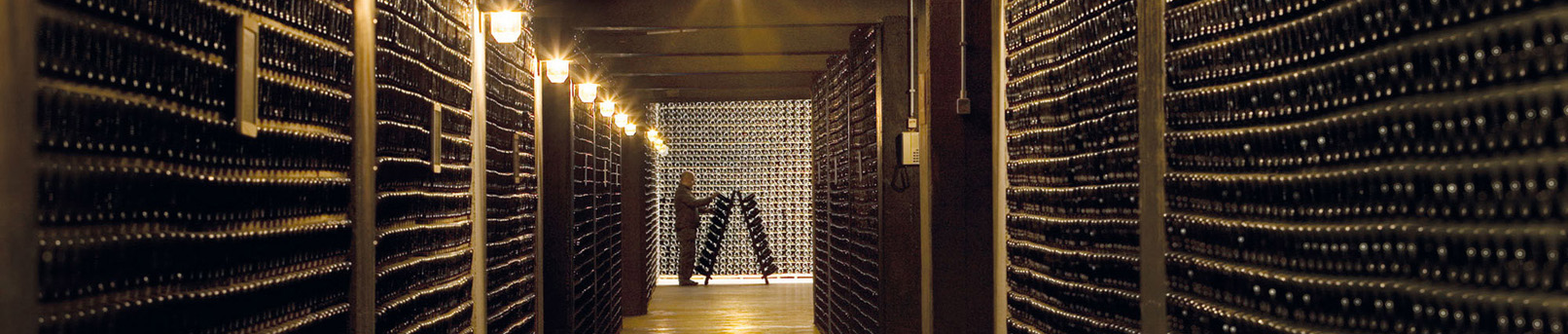
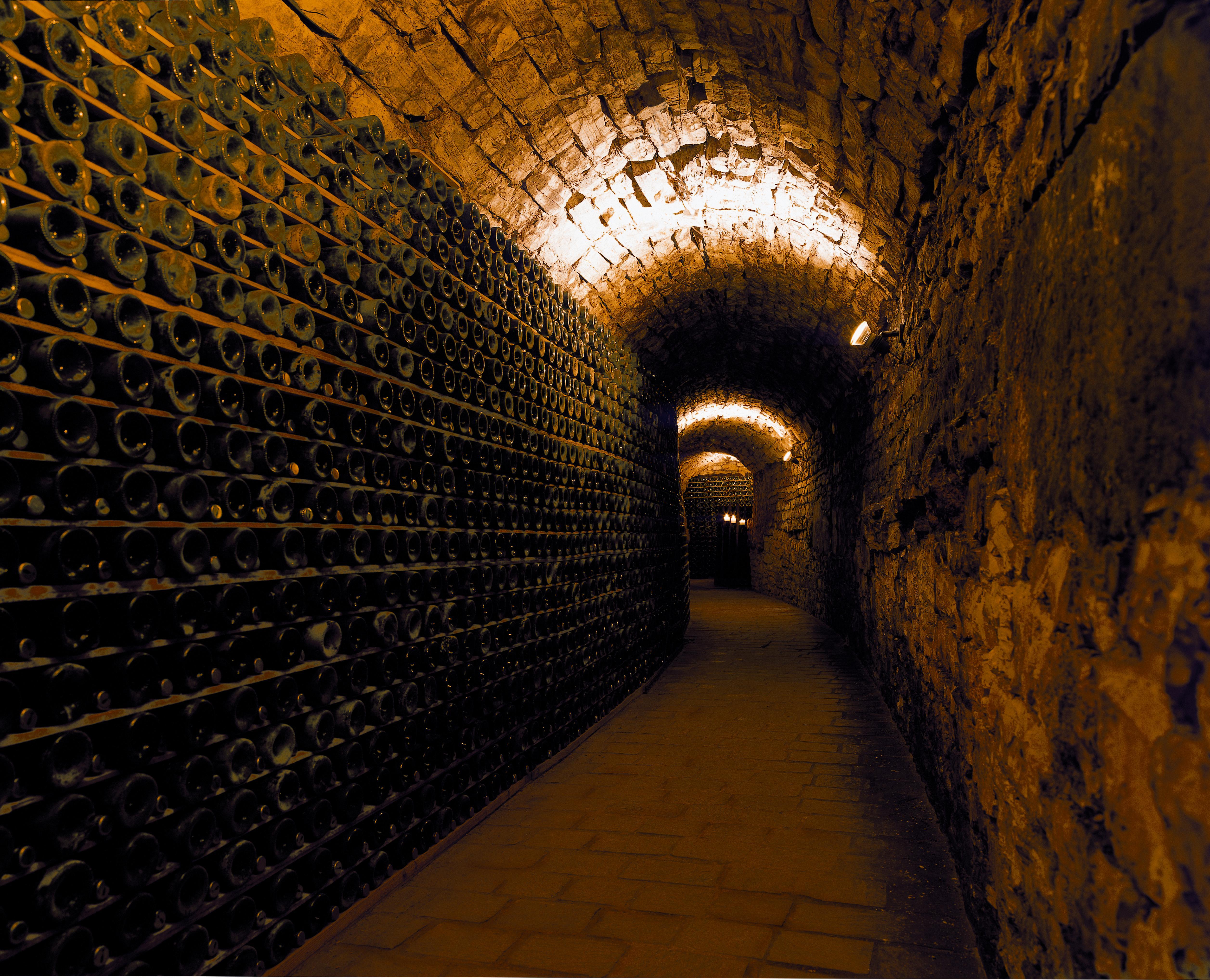
Three-century-old underground cellars stretch for over 1,5 km under the villa and create the perfect environment for wine aging, thanks to their natural characteristic of keeping humidity and temperature at a constant level. Here “Opere Trevigiane” – a Classical Method Sparkling wine – is stored to refine, while the two barrel rooms host the casks in which Villa Sandi Premium wines are aged.
Vineyards have characterized for centuries the landscape of the Treviso area, especially the area between Valdobbiadene and Conegliano.
Villa Sandi devotes the utmost care and attention to producing Valdobbiadene-Conegliano Prosecco DOCG, which a special synergy of man, vine and territory has made one of the best renowned and most appreciated wines in the world.
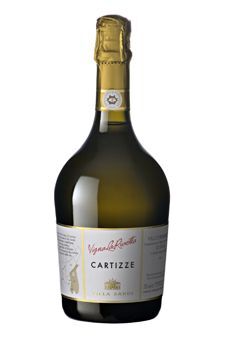
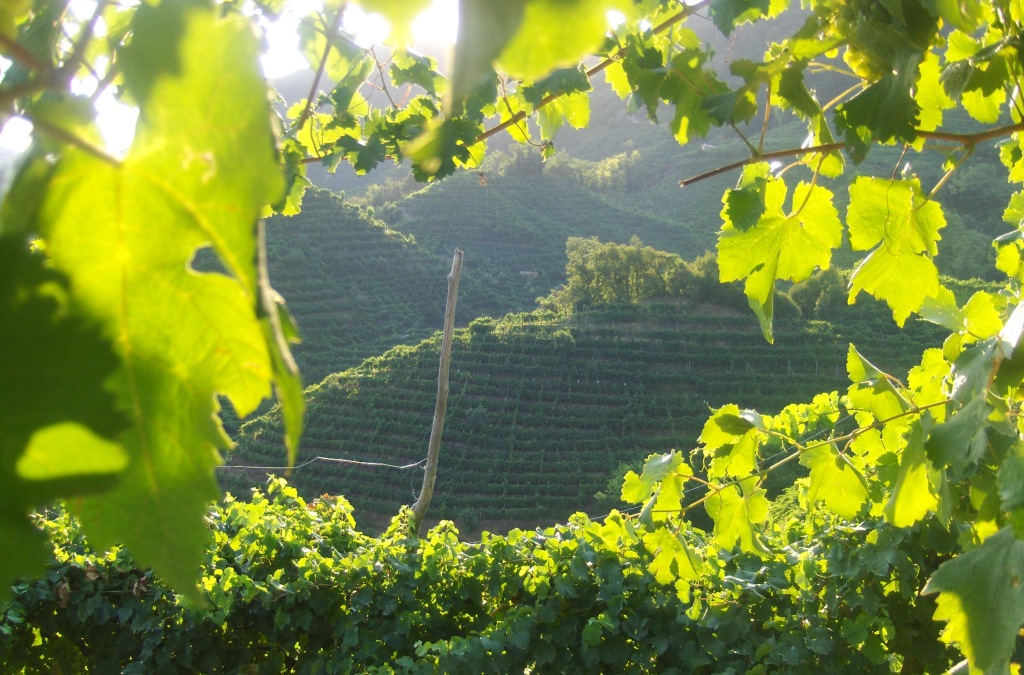
On the Cartizze hill, cru of the Valdobbiadene-Conegliano DOCG area, passion for vine growing and wine making has resulted in even the most inaccessible parts being cultivated. In this microarea, where steep hillsides alternate with more gentle slopes, Villa Sandi owns a vineyard called “La Rivetta”.
The estate fully benefits from a special and perfect combination of geo-climatic features, which allows a wine with unique characteristics to be produced: Cartizze “Vigna La Rivetta, proposed in the brut version instead of the classic dry one and awarded with Tre Bicchieri Gambero Rosso.


Vistorta
Vistorta
Biography
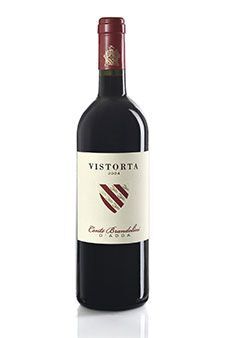
Vistorta has been the property of the Brandolini d’Adda counts since 1781, and is currently directed by Brandino Brandolini d’Adda. After graduating with a degree in agronomy from Texas A&M University and after a previous experience in the world of wine in another family property, he decided to transform the estate, taking France as an example and concentrating on one major red wine. With the assistance of oenologist Georges Pauli, at the end of the 1980’s new varieties were planted alongside others already present on the estate in order to achieve high level grapes: it was no accident that the choice fell on Merlot, originally from Bordeaux but utilized in Friuli for over a century, a variety perfectly adapted to the terroir of Vistorta and its calcareous clay soils. The introduction of new French clones, the selection of local clones, and the choice of rootstock of various kinds of vigor have created vineyards with an ample and varied varietal character. In order to compare Merlot with other grape varieties Carmenère, Syrah, Cabernet Franc, Cabernet Sauvignon, and Refosco have also been planted. Current vineyard extension is 80 acres, and 87% is Merlot. The sub-division into small parcels gives the estate the possibility to obtain homogeneous lots of grapes which are, at the same time, very different from one another. The objective has been to plant densely, 4000-5000 vines per hectare, in order to produce small quantities of grapes per vine. Cultivation techniques are very rigorous: after a spur pruning which leaves no more than one bud, the finest shoots are selected after budding to aid the development of the canopy. After flowering the excess bunches are thinned and, after the color change in August, the finest bunches are identified and the leaves around them removed to throw more sunlight on the grapes. These operations allow ripe, healthy, and homogenous grapes to be harvested at the end of September, before the autumn rains. The top wine of the estate is unquestionably Vistorta, the Merlot, a fascinating wine, produced from 18 different parcels with different clonal selections, fermented separately and only blended at the end. The decision to not filter the wine and, in particular, a judicious use of oak, gives Vistorta a special elegance and longevity. The wine is a brilliant, inviting ruby red with an ample and elegant bouquet of berry fruit, toasted oak, and coffee. Full on the palate, its flavors are warm, supple, and persistent.

Zenato
Zenato
Biography
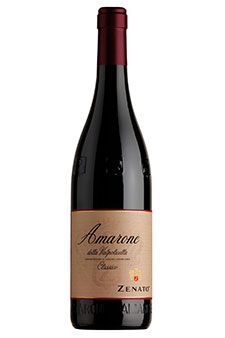
Sergio Zenato belongs to that group of determined entrepreneurs who pursue their objectives without hesitation, without compromises, without tergiversating. In his case, the objective was quality with a capital Q, and Sergio Zenato has succeeded in reaching the goal of elevated quality and create one of the major houses of the province of Verona. In 1960 he succeeded his father at the helm of the firm at San Benedetto di Lugana, a part of the township of Peschiera del Garda, located on the banks of Lake Garda and one of the finest zones for the production of Lugana appellation wine. The area is characterized by a special soil, a meeting point of glacier-created terrain and heavier clays, and by a special micro-climate as well, balmy, virtually Mediterranean due to the warming waters of the lake. With the aid of his wife Carla, Sergio Zenato has dedicated particular efforts on behalf of the Trebbiano di Lugana grapes, the basis of the appellation wines. Thanks to this commitment, Lugana is now one of the most successful appellations of the Lombardy-Veneto area, as the Riserva “Sergio Zenato” offering demonstrates, an intense, full-bodied white wine of exceptional complexity. The children, Alberto and Nadia Zenato, have joined the firm, the first working with production while his sister is a sort of ambassador of the house, promoting the image and the quality of the wines in the markets of the world. Zenato has developed a great interest in red wines over the years, particularly for those of the classic part of the Valpolicella appellation, an historic viticultural area just a few miles from Lugana. To the point that the firm now owns 175 acres of vineyards, divided between the two zones. After a long period of study of the soil, the climate, and the grape varieties of the Valpolicella, Zenato succeeded in planting modern vineyards, low-producing but of great quality. With Corvina, Rondinella, and Molinara he produces a supple Valpolicella Classico Superiore, an elegant wine, but above all an Amarone della Valpolicella, opulent and potent, which has won prizes from guides and wine magazines. The Ripassa is a particularly interesting wine, produced by “re-passing” the Valpolicella on the skins of Amarone just after the latter wine has been run off its skins.